Root canal removal: 5 myths and truths about root canal treatment
Learn the truth about tooth nerve extraction. Discover the most common myths about root canal treatment and why this procedure can save the natural tooth.
TechnicalDent
Echipa TehnicalDent
What is tooth nerve extraction?
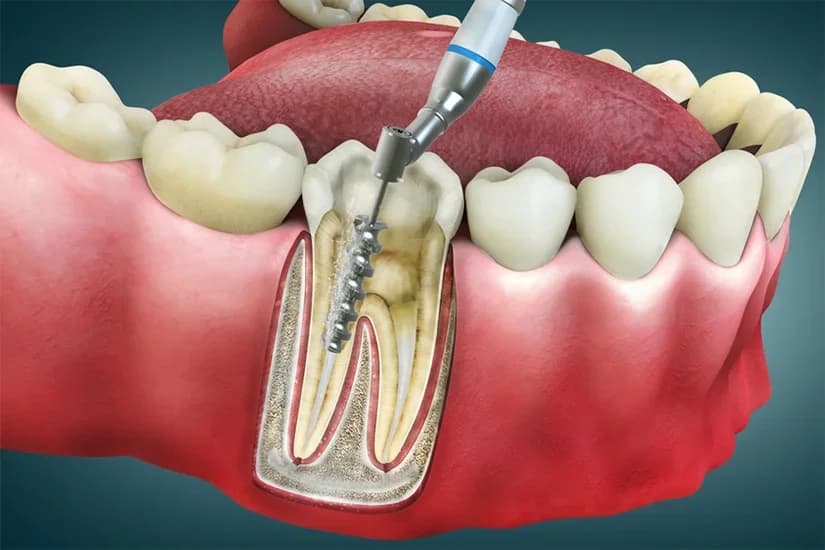
Root canal extraction, also known as root canal treatment, is one of the most common dental procedures used to save a tooth affected by deep decay or infection. Although it is a modern and safe procedure, many myths continue to circulate around it that scare patients.
Myth 1: Removing the nerve is very painful
In the past, dental treatments could be associated with discomfort, but today modern technology and anesthesia allow the procedure to be carried out in a comfortable way. In reality, root canal treatment is performed to eliminate pain caused by infection and inflammation.
Myth 2: It is better to extract the tooth
Preserving the natural tooth is always the first option recommended by the dentist. A correctly treated tooth can function for many years and contributes to maintaining the health of the entire oral cavity.
Myth 3: The tooth becomes useless after the nerve is removed
After root canal treatment, the tooth no longer has sensitivity to temperature or pain, but retains its masticatory function. With proper restoration, it can be used normally in everyday life.
Myth 4: Root canal treatment requires a lot of sessions
Depending on the complexity of the case, many root canal treatments can be completed in one or two visits. The doctor determines the optimal plan depending on the condition of the tooth and the degree of infection.
Myth 5: If it doesn't hurt, I don't need treatment
Some dental infections develop without obvious symptoms. The absence of pain does not always mean the absence of a problem. That is why regular dental check-ups are essential to detect and treat conditions in time.
When is root canal treatment necessary?
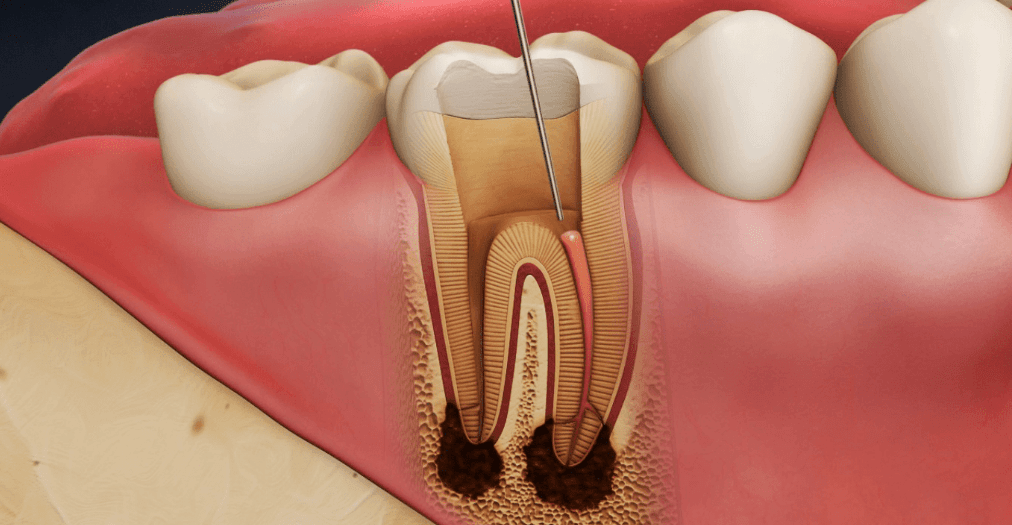
The doctor may recommend removing the dental nerve in case of deep cavities, dental infections, trauma, severe inflammation of the nerve or dental abscesses. The correct diagnosis is made following a consultation and radiological investigations.
Have questions about this topic?
Our team of specialists is ready to answer your questions. Schedule a consultation and talk directly with the doctor.
Schedule a consultation