Why you should not use baking soda for teeth whitening?
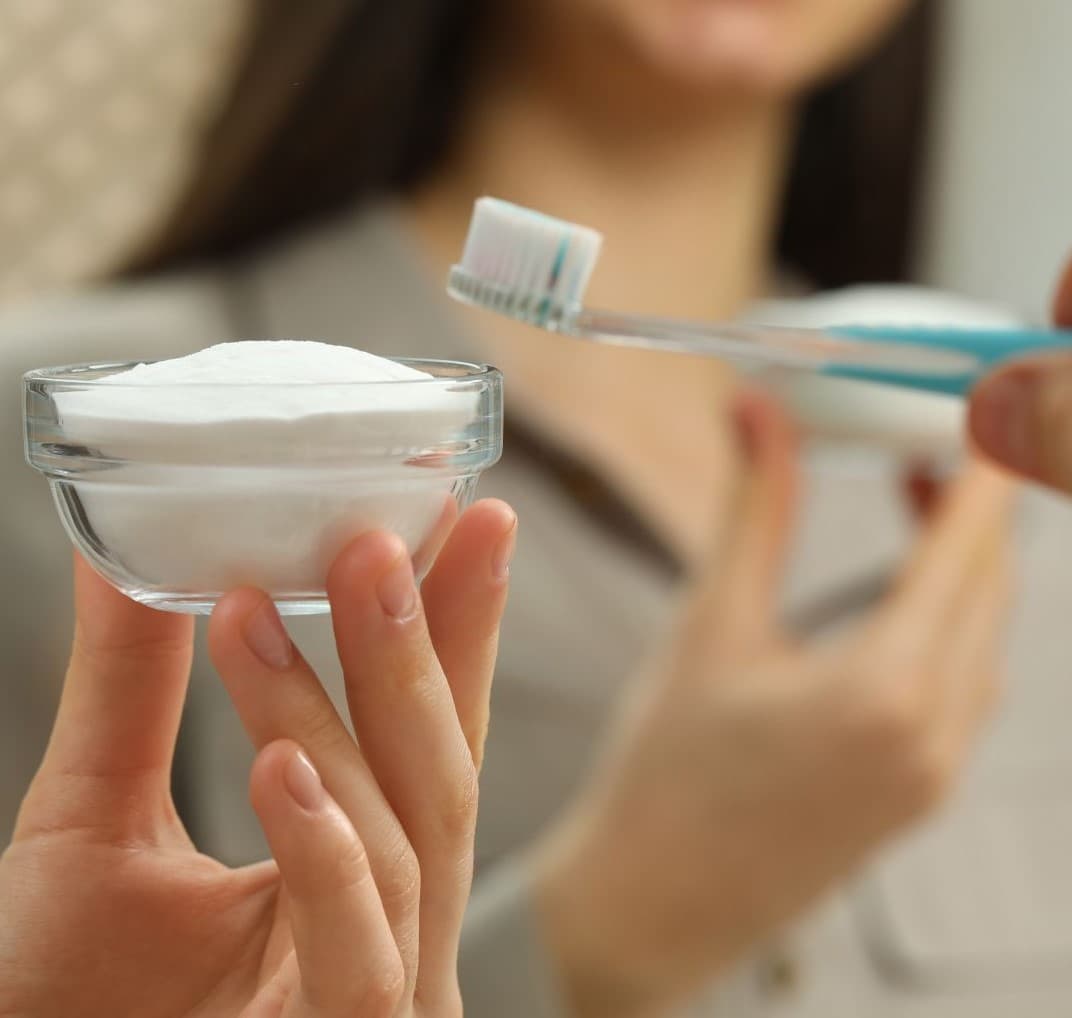
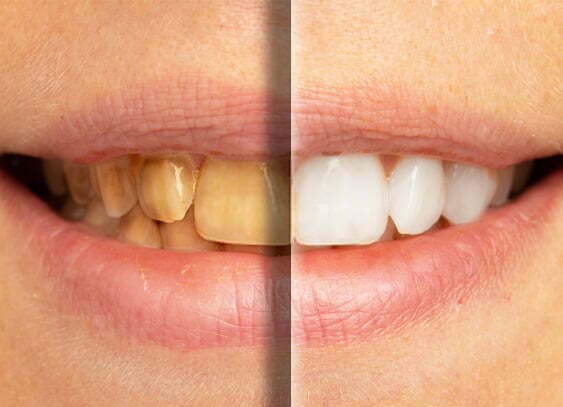
A white and bright smile is desired by many people, and on the Internet there are many teeth whitening methods that we can try at home. One of the most well-known is the use of sodium bicarbonate for teeth whitening. Although baking soda can remove superficial stains from the surface of the teeth to some extent, using it frequently or incorrectly is not recommended. Bicarbonate is not a professional teeth whitening method and cannot actually change the natural color of the tooth.
TehnicalDent
Echipa TehnicalDent
Does baking soda really whiten teeth?
Baking soda has abrasive properties and can help remove surface stains caused by coffee, tea, red wine or smoking.
This effect can make the teeth appear cleaner or brighter temporarily. But it is important to differentiate between surface stain removal and actual teeth whitening.
Professional whitening acts on the pigments in the tooth structure, while bicarbonate acts mainly on the surface level.
Why can baking soda be dangerous for enamel?
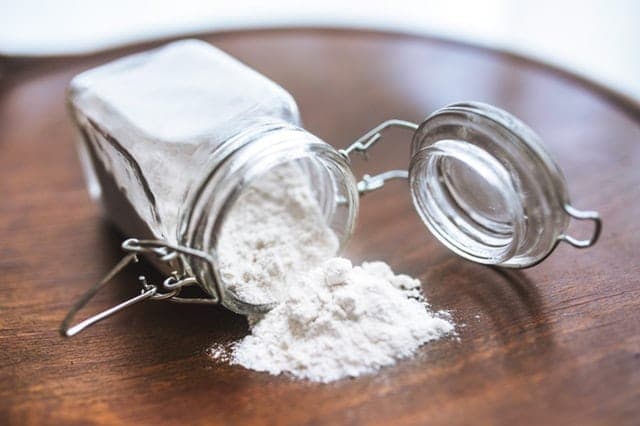
One of the main problems with using baking soda for teeth whitening is its abrasive nature.
Frequent use, especially in conjunction with aggressive brushing, can contribute to wear on the tooth surface. Enamel is the protective outer layer of the tooth, and once lost, it does not regenerate naturally.
That's why trying to get whiter teeth through abrasive methods can have the exact opposite effect in the long run.
Bicarbonate can increase tooth sensitivity
When the protective surface of the tooth is damaged, the teeth can become more sensitive to cold, hot, sweet or sour.
Tooth sensitivity should not be ignored, especially if it occurs after repeated use of home whitening methods.
It is important to remember that not only the product used matters, but also the frequency of use and the way in which the brushing is done.
Bicarbonate cannot whiten fillings and crowns
Another important aspect is that bicarbonate cannot change the color of dental materials such as fillings, crowns, bridges or dental veneers.
If your natural teeth are darker in color than your existing dental work, trying to whiten them at home can accentuate the shade difference.
In the case of people who have dental work in the frontal area, the choice of whitening method must be made carefully, because the final result must be as uniform and natural as possible.
Baking soda, lemon and other whitening methods from the Internet
In addition to bicarbonate, there are also recipes that recommend combining it with lemon juice or other acidic substances.
These combinations are not recommended for teeth. Acidic substances can contribute to the erosion of enamel, and their association with abrasive products can increase the risk of damage to the tooth surface.
The fact that a method is natural or popular on the Internet does not automatically mean that it is also safe for oral health.
How is teeth whitening done correctly?
To achieve a whiter smile, it is important to first identify the cause of tooth discoloration.
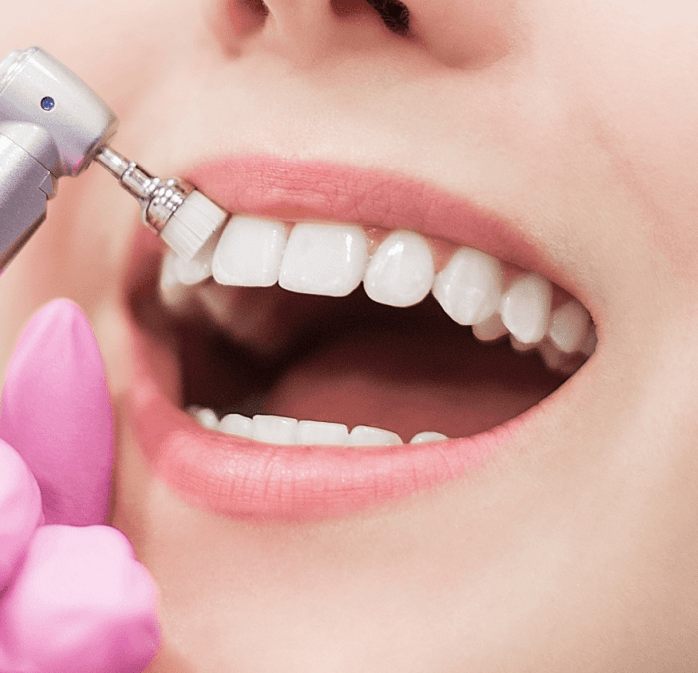
Sometimes teeth appear darker in color due to plaque, tartar or surface stains. In such situations, a professional hygiene can significantly improve the appearance of the smile.
When a real change in the shade of natural teeth is needed, the dentist can recommend a teeth whitening procedure suitable for each patient's situation.
Before whitening, it is important to assess the health of the teeth and gums, as cavities, gingival inflammation or other dental problems must be treated before the procedure.
Have questions about this topic?
Our team of specialists is ready to answer your questions. Schedule a consultation and talk directly with the doctor.
Schedule a consultation